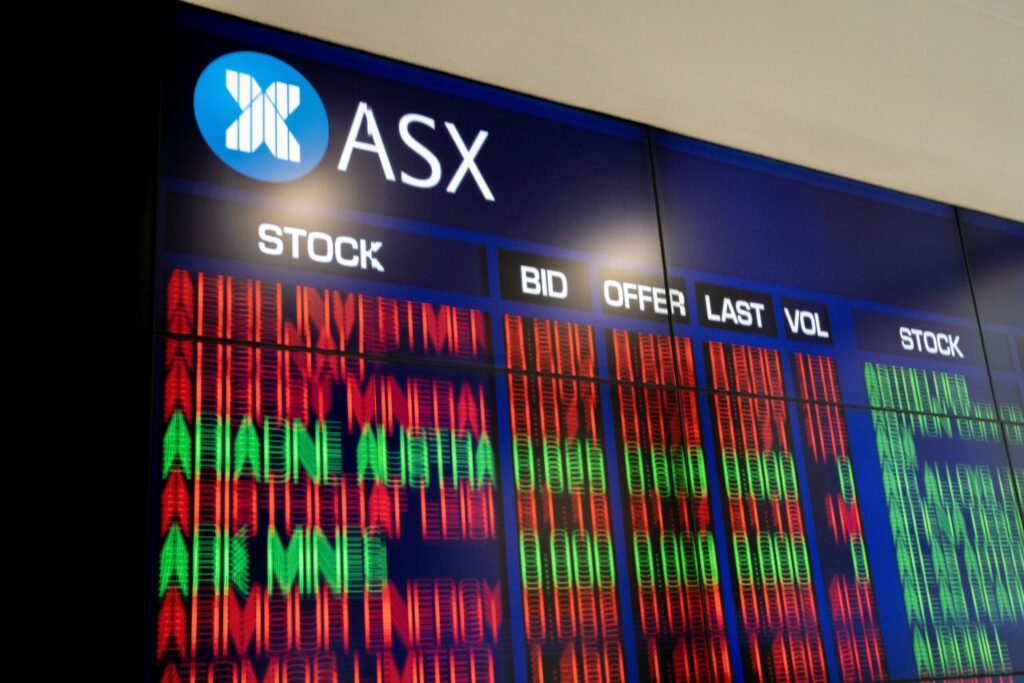
Financial markets are organised systems where buyers and sellers come together to trade financial instruments — things like stocks, bonds, currencies and derivatives. At their core they exist to solve two fundamental problems: connecting people who need capital with people who have it, and providing a mechanism to price risk.
Why Do Financial Markets Exist?
Consider a company that wants to expand but doesn’t have enough cash. It can raise money by issuing shares (equity) or borrowing (debt). Financial markets provide the infrastructure for this to happen efficiently — and at scale.
From the other side, investors with spare capital want to put it to work and earn a return. Financial markets give them a place to do that, with the added benefit of being able to exit their position when they need their money back.
Price Discovery
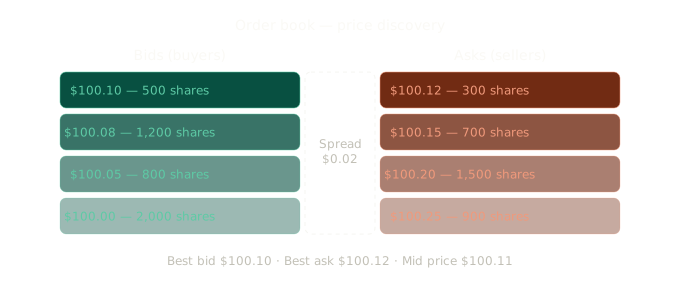
One of the most important functions of financial markets is price discovery — the process by which the market determines the fair price of an asset. Every trade that happens reflects the collective judgement of buyers and sellers about what something is worth right now.
This is why market data is so valuable. Every tick, every order, every trade is a signal about where the market thinks the price should be.
Liquidity
Markets also provide liquidity — the ability to buy or sell an asset quickly without significantly moving the price. A liquid market has many buyers and sellers at any given time, making it easy to enter and exit positions. Illiquid markets are harder to trade and carry more risk.
For quant developers, liquidity matters because it affects how trading algorithms behave. A strategy that works well in a liquid market may perform very differently in an illiquid one.
Primary vs Secondary Markets
Financial markets can be divided into:
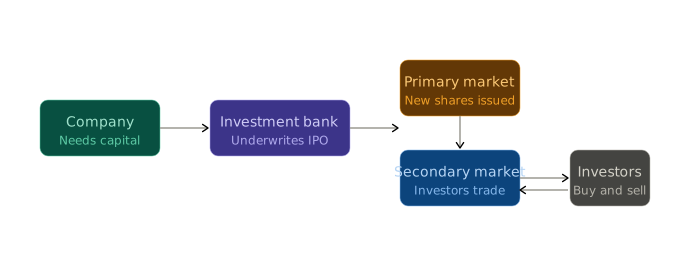
- Primary markets — where new securities are issued for the first time (e.g. an IPO where a company first sells shares to the public)
- Secondary markets — where existing securities are traded between investors (e.g. buying Apple shares on the NYSE)
As a quant developer you will almost exclusively work with secondary markets — the real-time trading infrastructure that processes millions of orders every day.
Exchange-Traded vs OTC Markets
Trading happens in two main venues:
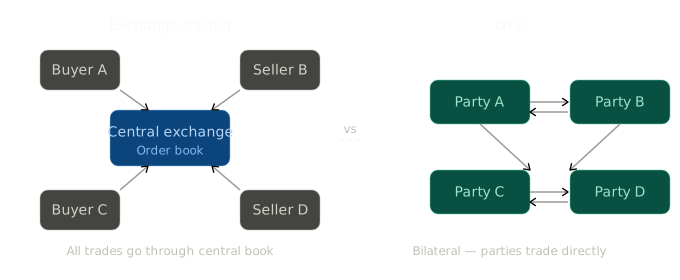
- Exchange-traded markets — centralised venues like the ASX, NYSE or HKEX where all trades go through a central order book and are publicly visible
- OTC (over-the-counter) markets — decentralised trading directly between two parties, common in FX and fixed income
Most of the systems quant developers build are designed for exchange-traded markets, where speed, reliability and precision are critical.
Why This Matters for Quant Developers
Understanding financial markets isn’t just background knowledge — it directly shapes the systems you build. The market data you process, the orders you route, the risk you monitor — all of it only makes sense in the context of how markets actually work.
In the next article we’ll look at the key participants in financial markets and the role each of them plays.